
Mathematics
"Mathematics is a good school of mental discipline, but it is also more. It is a school of moral discipline. The student who has learned to work seriously at a mathematical problem will not be easily discouraged by other difficulties." - George Pólya
Our Belief
At the core of our Mathematics Department is the conviction that all AIzens has the potential to excel in mathematics and that mathematical potential is not a fixed trait, but a growth-oriented function of effort and persistence.
We aim to develop Learners with Character who understand that the path to a solution is rarely a linear one; it requires the Courage to face complex, non-linear challenges and the Adaptability to pivot and navigate within limits.
We believe that mathematical literacy is a powerful tool and catalyst for Empathy. By analysing the variables that define our world and using data to decode the statistics and understand the human experience, our students become Leaders with Heart. They move beyond mere computation to achieve conceptual depth, allowing them to make informed, ethical decisions rooted in logical integrity.
We aspire for our students to be Champions of Change who recognise that the world is a canvas of patterns and probabilities. Equipped with the critical and analytical thinking skills to model real-world challenges—from environmental sustainability to social equity—they apply the logical discipline of mathematics to transform their communities and lead with a heart for global evolution.
Our Approach
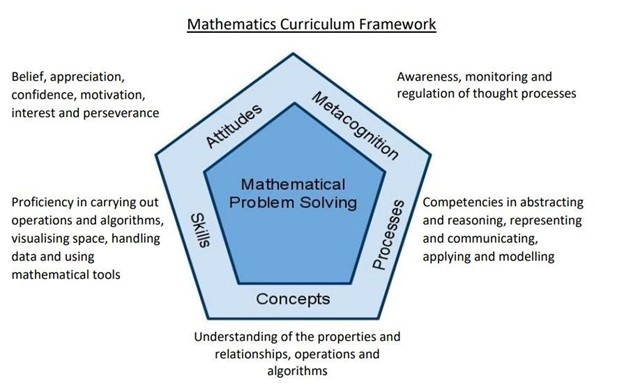
The central focus of the mathematics curriculum is the development of mathematical problem solving competency. Supporting this focus are five inter-related components – concepts, skills, processes, metacognition and attitudes. Mathematical Problem Solving Problems may come from everyday contexts or future work situations, in other areas of study, or within mathematics itself. They include straightforward and routine tasks that require selection and application of the appropriate concepts and skills, as well as complex and nonroutine tasks that requires deeper insights, logical reasoning and creative thinking. General problem solving strategies e.g. Polya’s 4 steps to problem solving and the use of heuristics, are important in helping one tackle non-routine tasks systematically and effectively.
Our Stretch Opportunities
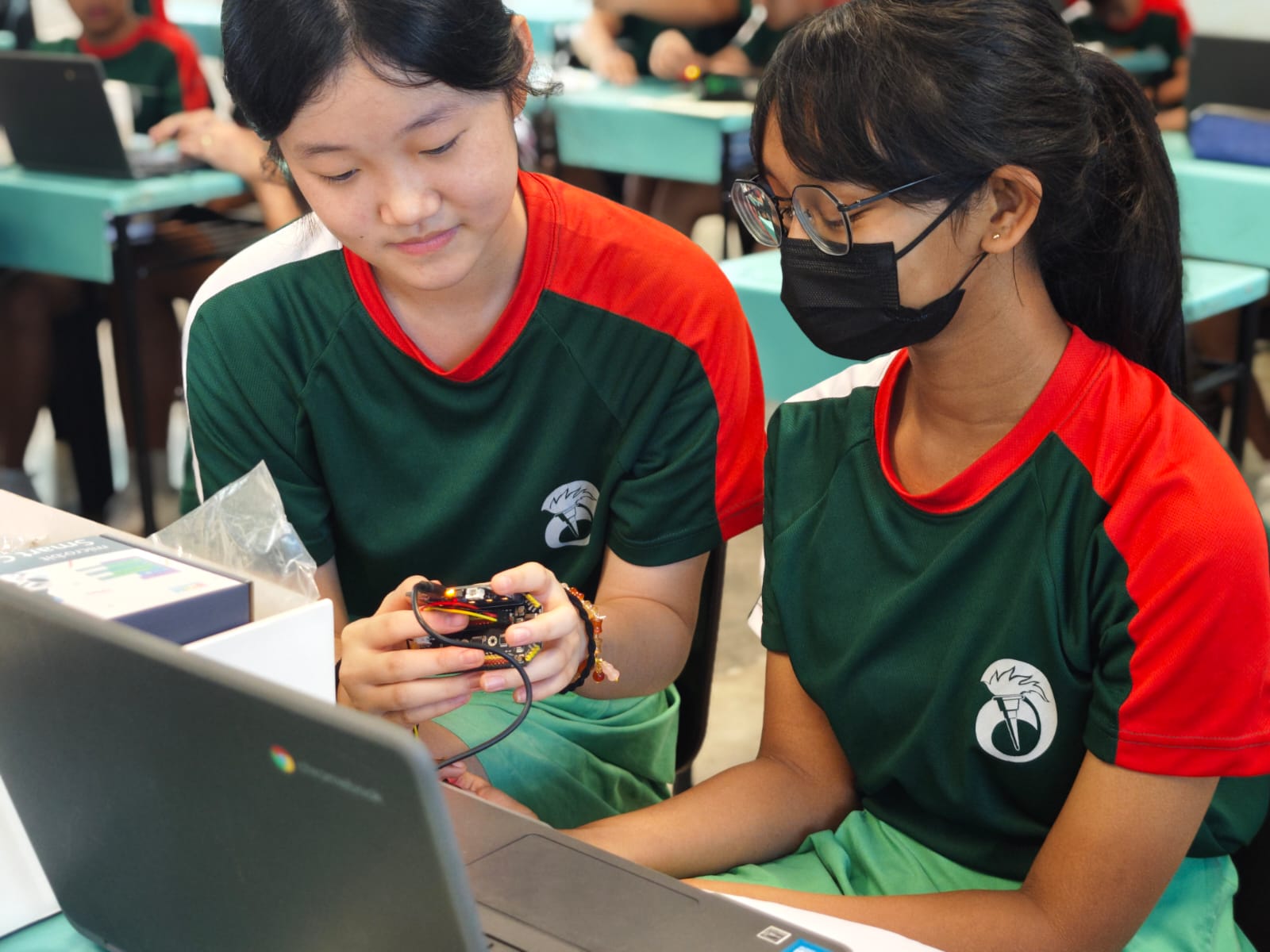
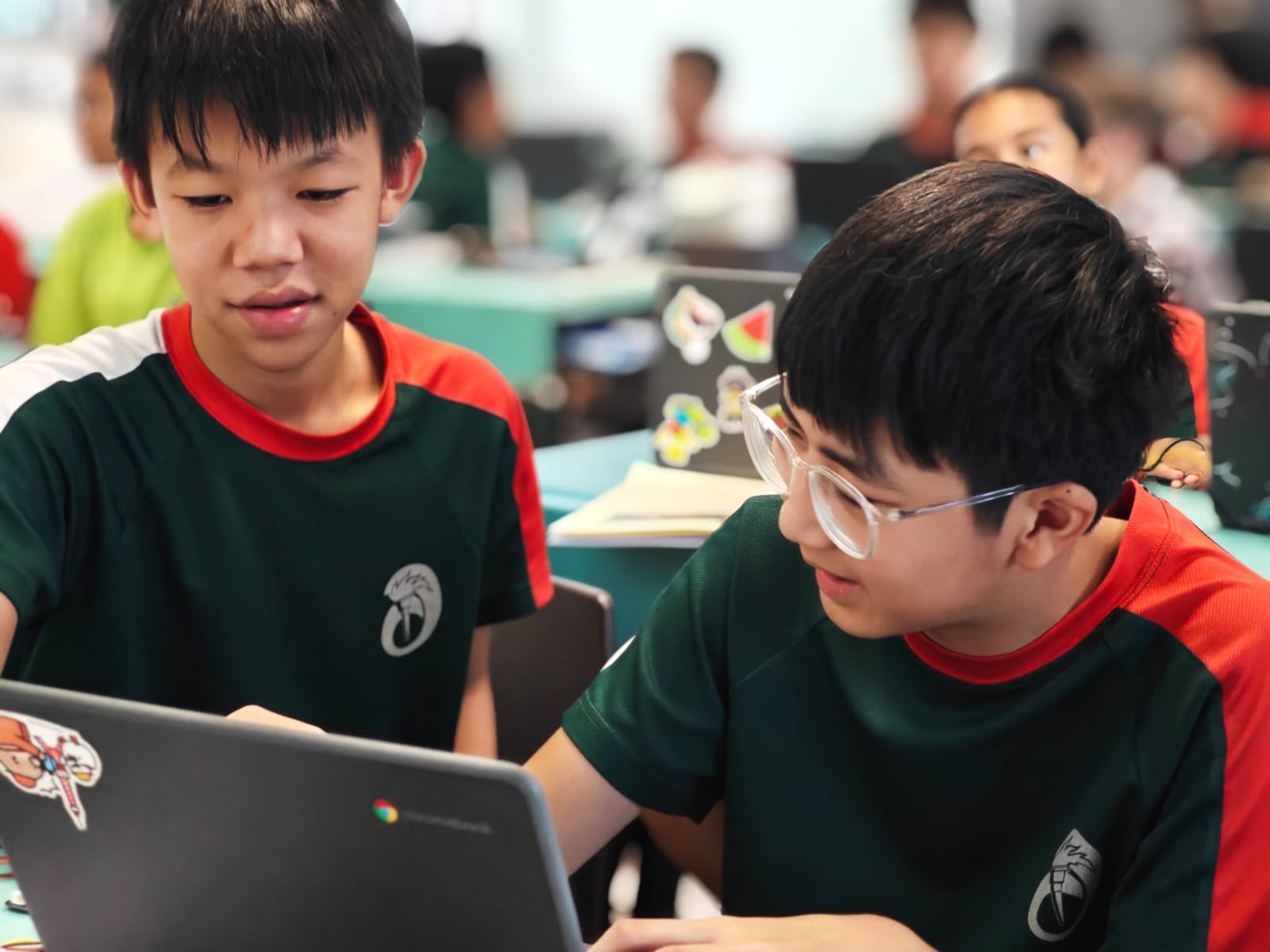
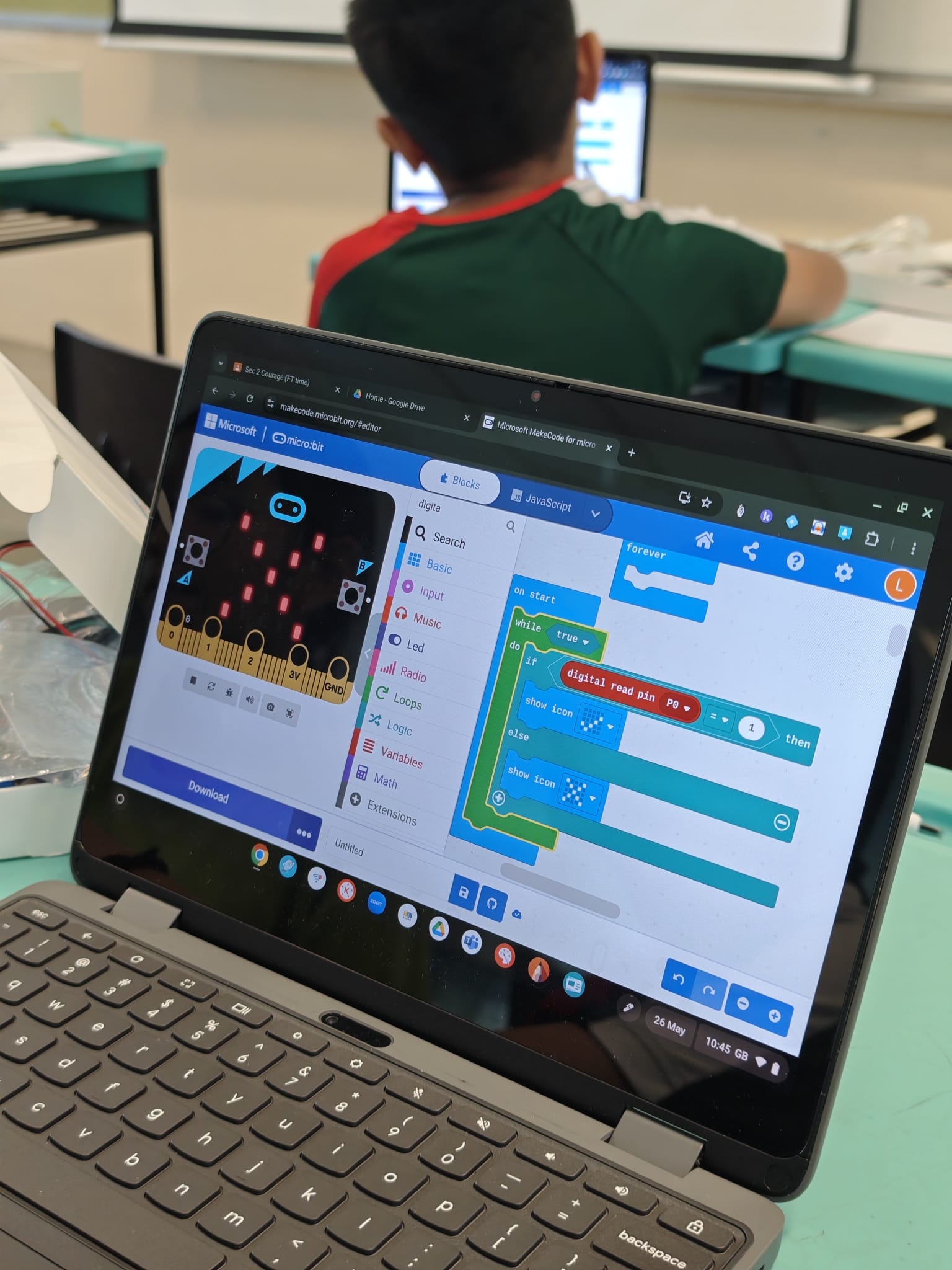
Code For Fun
The Code for Fun Programme aims to increase students’ exposure to computational thinking and digital making and introduce them to the world of coding. Through the 10-hour enrichment, our Secondary 1 students had the opportunity to tinker with microcontrollers and the SMART AI World Kit to produce simple prototypes that help to solve a real-life problem. The process allowed the students to develop an appreciation of core computational thinking and coding concepts, excited them about the opportunities in the digital age and exposed them to the skill sets needed for the digital economy.
Math Alive!
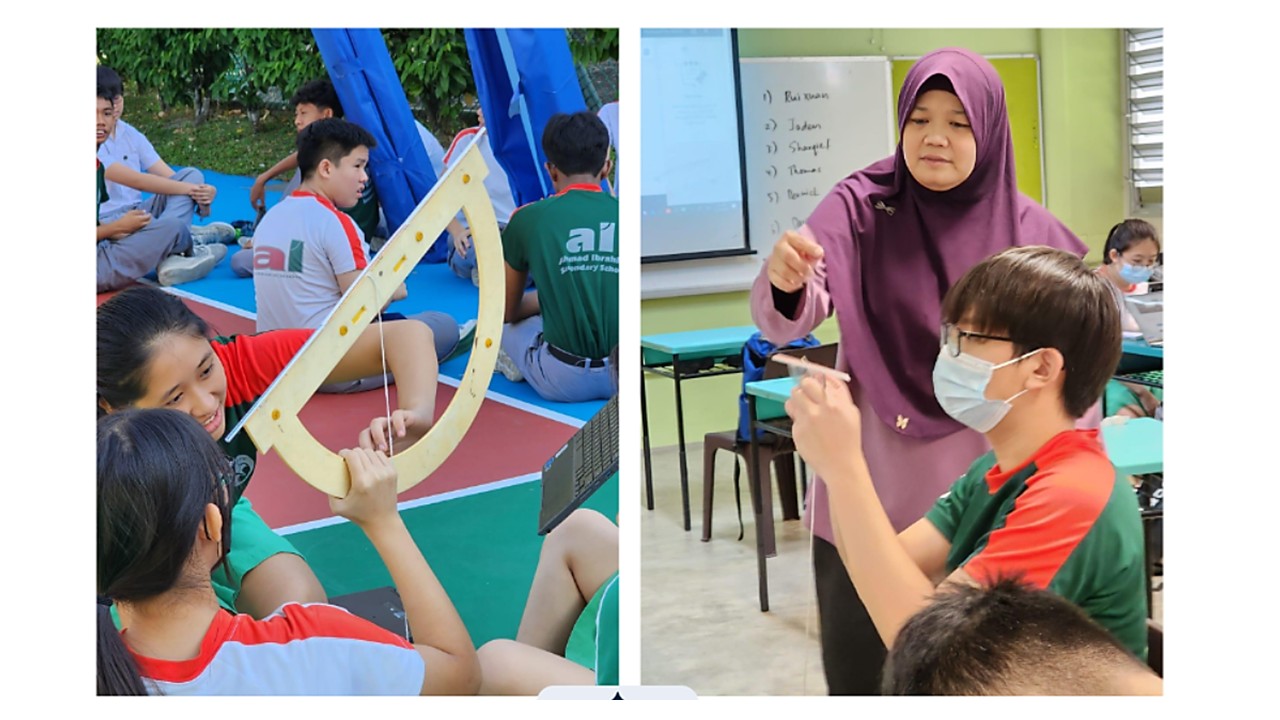
Math Alive! series aims to allow students to see the real-world application of Mathematics in their daily life through authentic tasks and collaborative learning.
Lower secondary students had the opportunity to see how Statistics is used everywhere in their daily life. They explored the various data collection methods with their classmates based on problems given, learnt various ways of representing data using ICT, and saw for themselves how the way data is represented may mislead audiences.
Secondary 3 students were tasked to investigate the applications of 3D trigonometry in their school environment. They learnt to make clinometers using readily available materials and explored the concepts of angle of elevation and depression around them. The session ended with them applying the concepts and skills acquired in a bigger context – the aviation industry.
International Mathematical Modelling Challenge (Singapore) (IMMC - Singapore)
Secondary 4 students participate in the International Mathematical Modelling Challenge IMMC (Singapore). The IMMC allows students to experience the power of Mathematics in understanding, analysing and solving real world problems outside of Mathematics itself. This year, the students worked collaboratively on developing a model for optimal land use that balances community values and business profits. They analysed the context provided, hypothesised and tested several solutions with their teacher advisor before proposing a working solution to the judging panel. For the past two years, our students have consistently made us proud by attaining the Certificate of Merit, a strong testament of their brilliant work. Congratulations to the teams over the years!
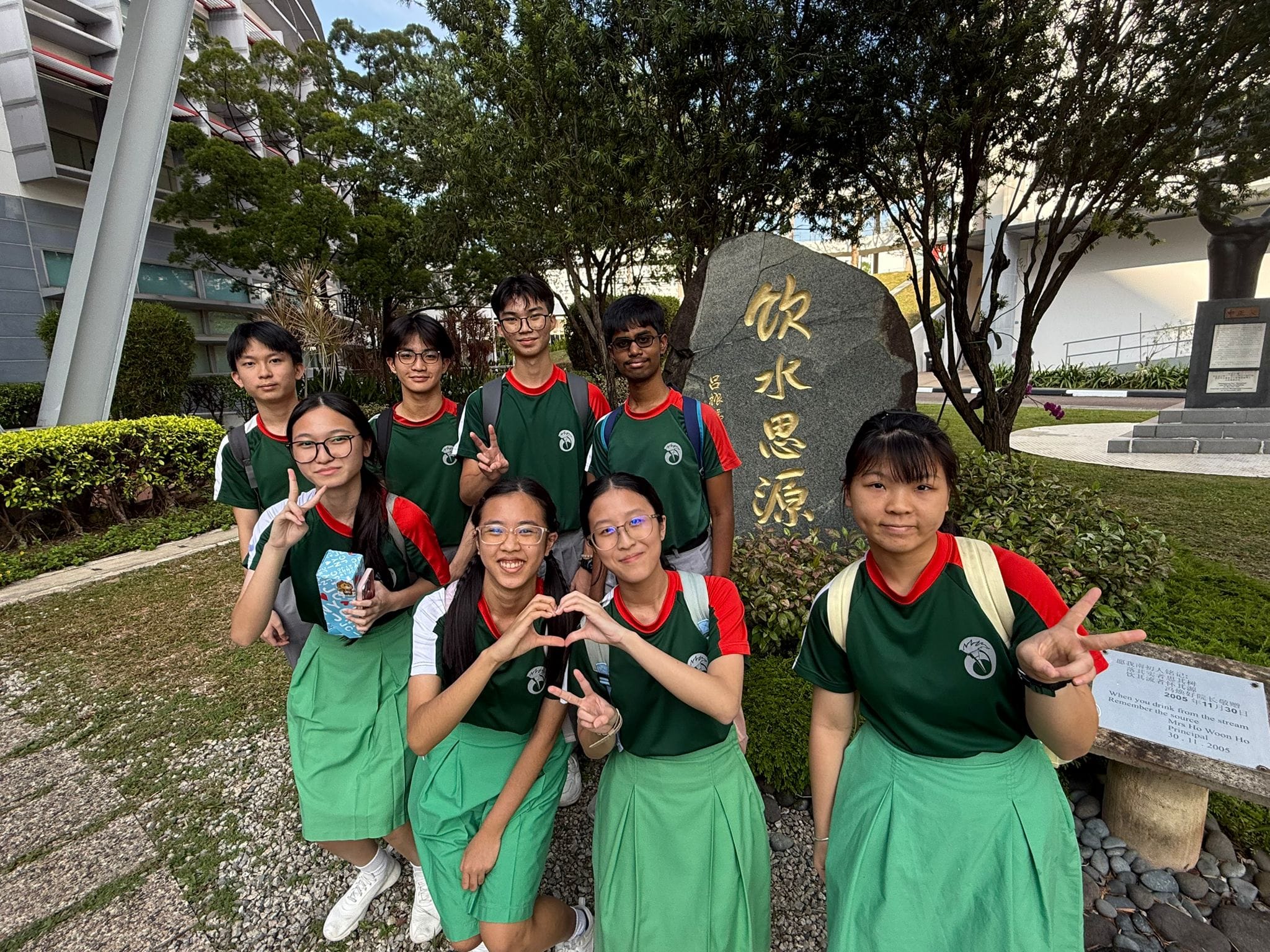
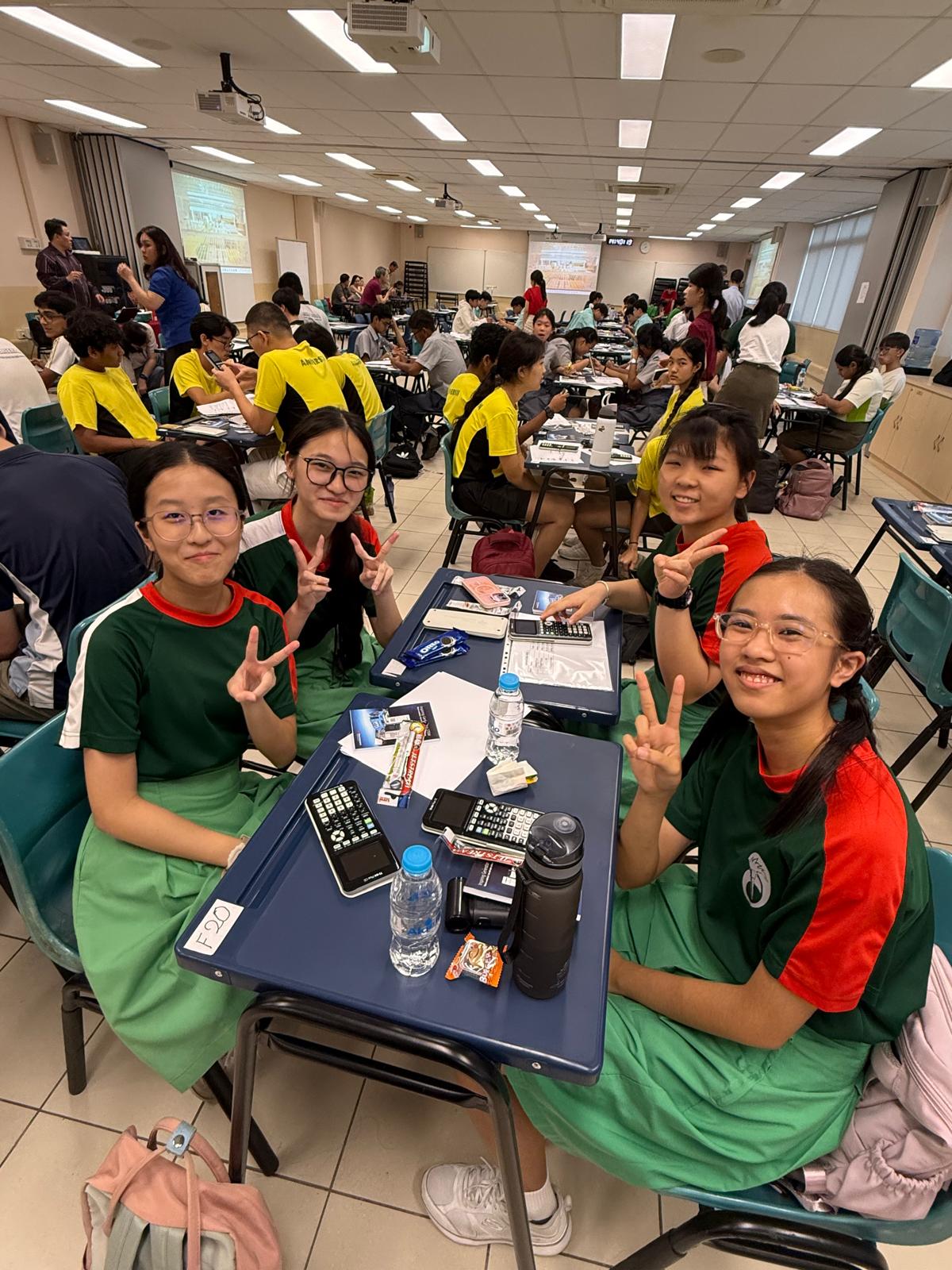
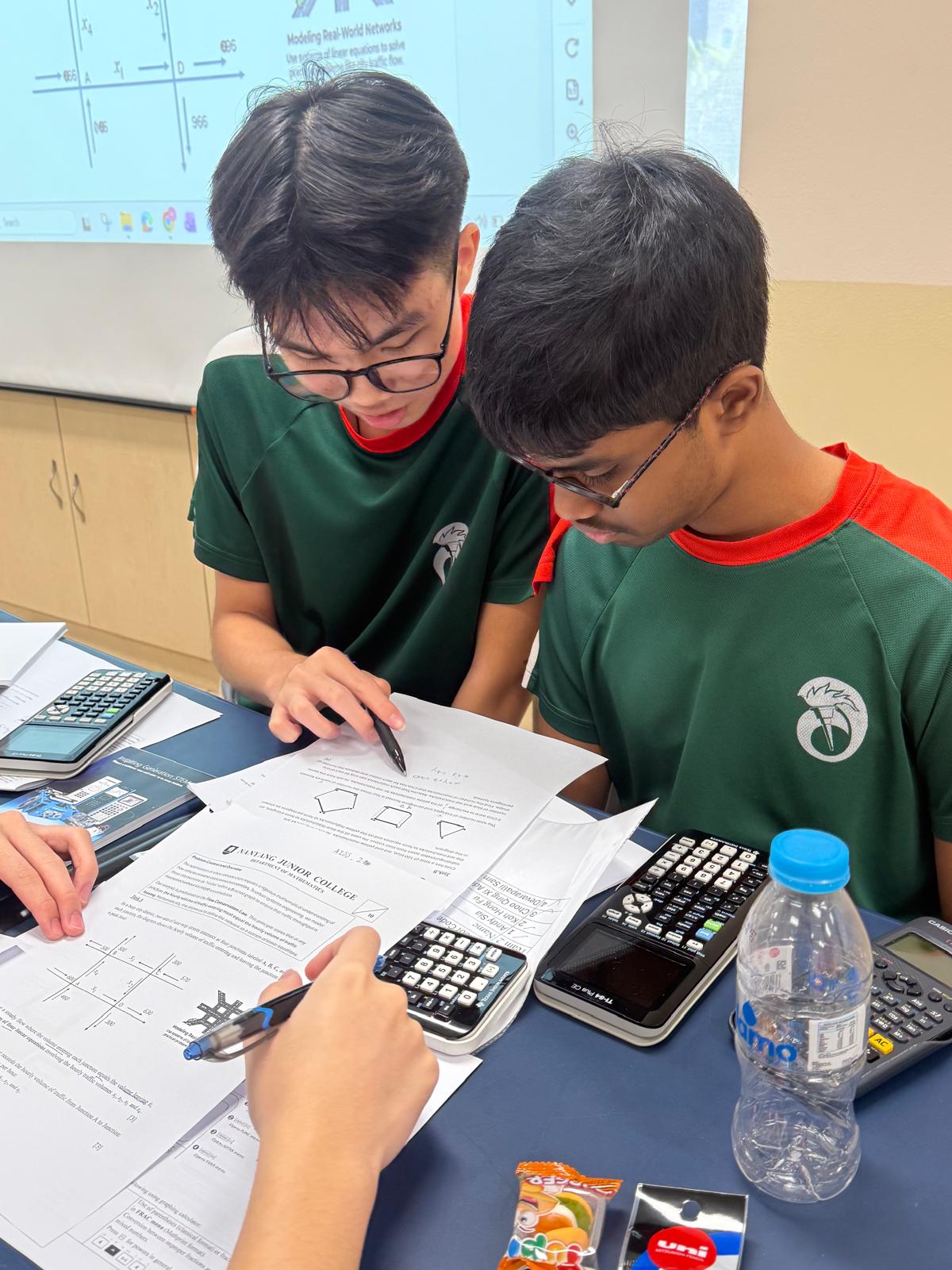
Nanyang Junior College (NYJC) Graphing Calculator Workshop cum Competition
Our students also participate in workshops and/or competitions organised by Institutes of Higher Learning (IHL) and/or Junior Colleges (JC). These learning opportunities will provide students with the learning experience of applying mathematical concepts to solve problems e.g. the Graphing Calculator Works.
Our Team
List of teachers
Key Personnel (KPs) | Mr Phillip Tan Thiam Hock (Head of Department) Mr Tee Hong Heng (Head of Department / ICT) Ms Mak Ying Shi (Subject Head / e21CC) Mdm Puah Shi Hui, Silia (Subject Head / Student Well-Being) Mdm Chia Yun Xin (Level Head / Mathematics, Covering) |
Teachers | Mr Chen Zexuan Ms Fong Yuen Han Mrs Foo Sok Gek Mr Luo Zhengyang Mr Marcus Lau Shao Yu Ms Maybelle Ong Hui Leng Ms Melody Ho Jie Min Mdm Noor Azizah Binte Ibrahim Ms Rozilawati Rahim Mdm Santhi d/o Mutrawipillai Sanmugum Ms Tam Ye Ting |